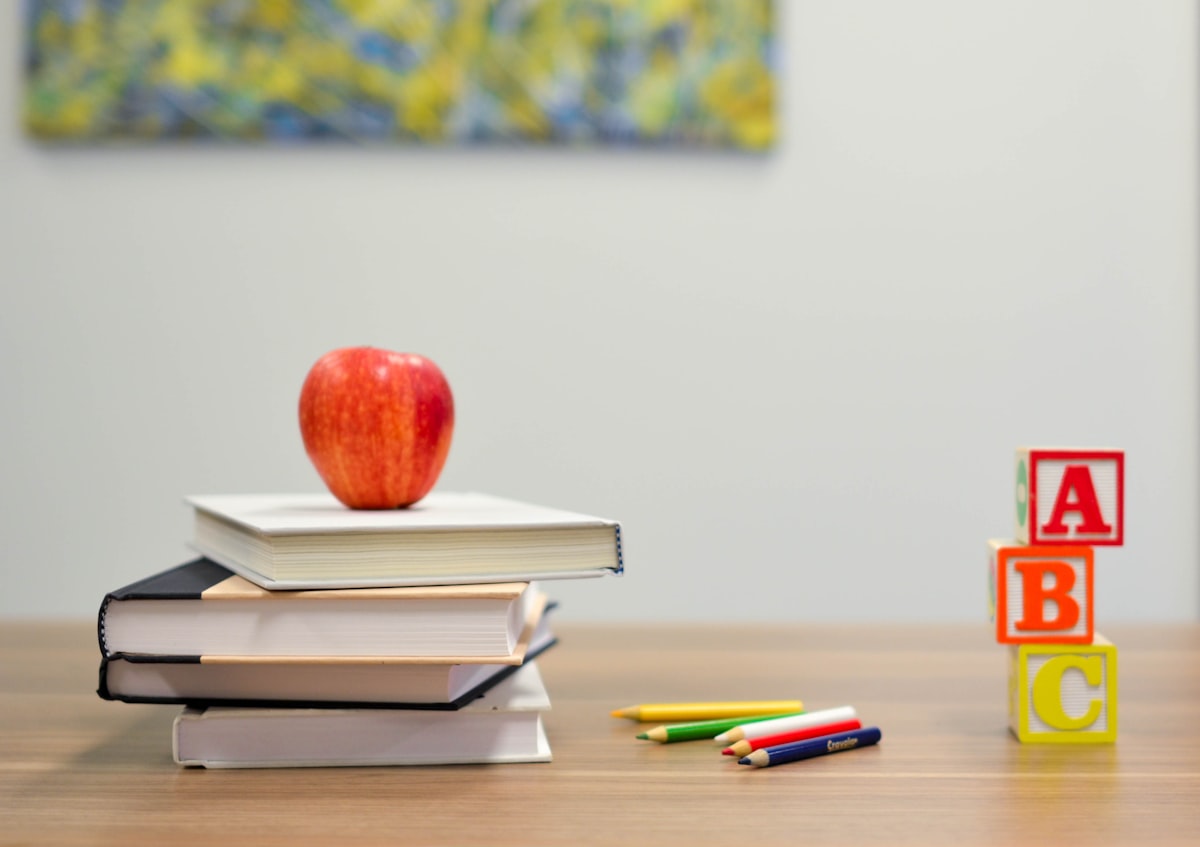
Turn daily chores and weekend activities into engaging math practice for young minds.
Math is All Around Us
Mathematics often gets a bad reputation as being dry or difficult. However, it is the language of the universe. From the symmetry of a snowflake to the spirals of a sunflower, to the structure of crystals, math is Allah's design pattern visible in creation. Helping children see these patterns transforms math from a chore to a wonder.
When we teach math as a way to understand the world, it becomes relevant and exciting. "Look at the hexagon shape of the honeycomb! How did the bees know to build it that way?" These questions spark curiosity.
Kitchen Math & Grocery Games
You don't need a textbook to teach fractions. Baking a cake is the perfect lesson in ratios and measurements. "If we need half a cup of sugar and we prioritize health reducing it by a third, how much do we put in?" Cooking teaches volume, weight, time, and temperature.
Similarly, the grocery store is a lab for estimation and budgeting. Ask your child to round prices to the nearest dollar and keep a running total. "Which is the better deal: the big box for $5 or two small boxes for $3?" These practical applications build number sense more effectively than worksheets ever could.
Gamification of Learning
Board games like Monopoly teach financial literacy and strategy. Card games can teach probability and arithmetic. At Rawdatul Atfaal, we encourage 'play-based learning' especially in the early years. When a child is having fun, their brain is in the optimal state for retention. Let's reclaim math as a fun, family activity.
Even simple games like "I Spy" with shapes or counting cars of a certain color can reinforce mathematical concepts in a low-pressure environment.

